Buying in Madrid as a non-resident
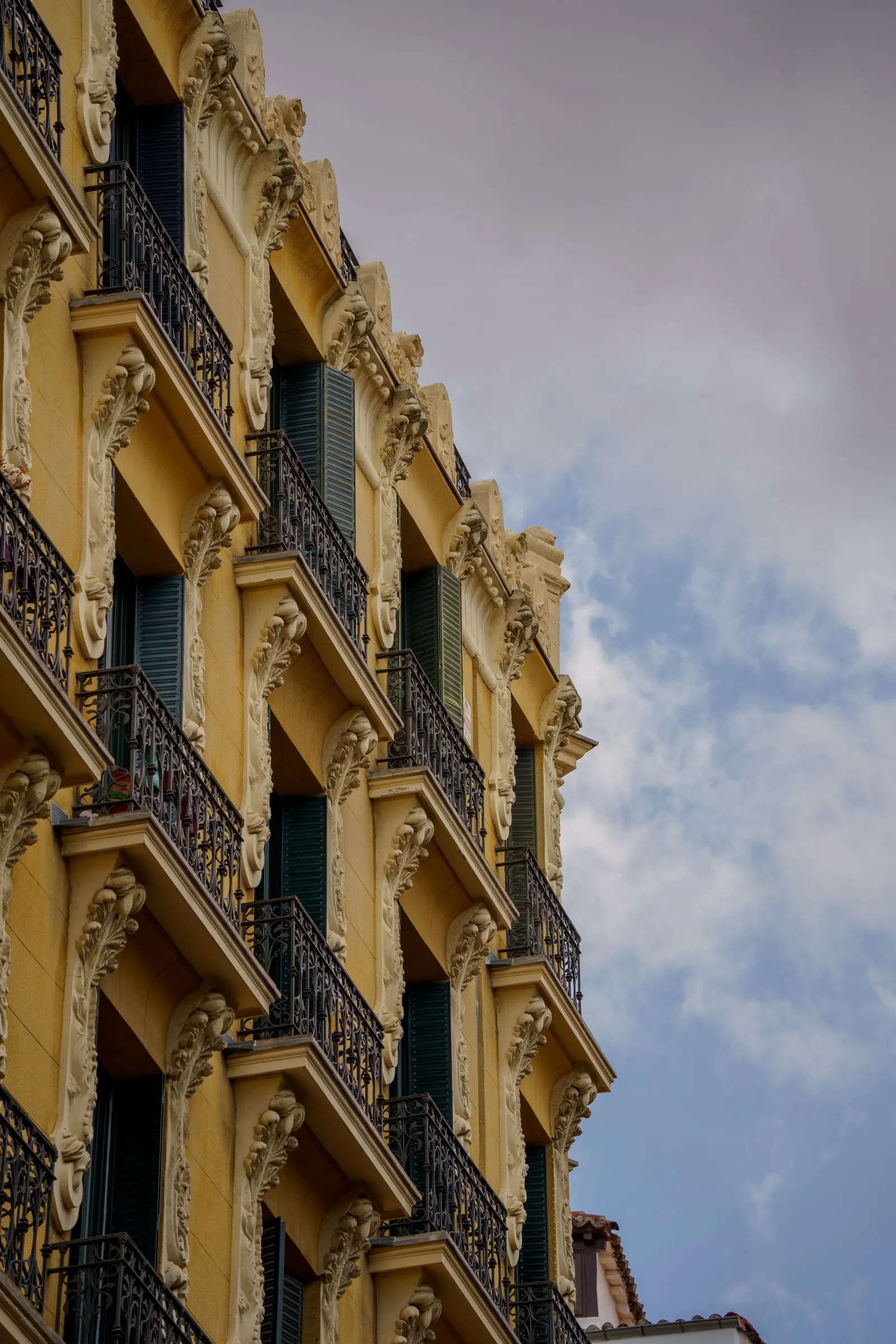
Buying a property in Madrid as a non-resident is not complicated, but it requires order. There is no legal restriction on a foreigner buying in the city, whatever their nationality. What matters is doing the steps in the right order: NIE, bank account, acquisition structure and tax map, before signing anything.
Buying does not grant residency
This is the most common confusion among non-European buyers. Spain closed the real estate golden visa in April 2025, so owning a property no longer gives any right to reside on its own. If you also plan to move, the visa is decided separately and before committing capital; we explain it in our guide to moving to Madrid from the United States.
First step: the NIE
The NIE (foreigner identification number) is essential to sign any deed. It is requested through the Spanish consulate in your country of residence or, in some cases, directly in Madrid via a representative. Apply early: the fee is paid with form 790 code 012 and processing times vary by consulate.
Second step: a Spanish bank account
Although it is legally possible to buy by transferring from abroad, in practice a Spanish account speeds up notary payments, taxes and utilities, and lets you direct-debit the IBI property tax and community fees. We recommend a bank used to working with non-residents, and you should have documentation ready showing the source of funds.
Acquisition structure: three options
Purchase in personal name: the simplest and most common for own-use homes. Purchase through a Spanish company: makes sense with several assets or when optimising rental-income taxation. Purchase through a foreign company: possible, but it adds complexity and its own tax obligations, and if the entity is resident in a non-cooperative jurisdiction an additional annual special levy of 3% of the cadastral value applies. It is rarely the best option. Note that Form 720, sometimes mentioned in this context, is the foreign-assets declaration for Spanish tax residents and does not apply to a non-resident buying here.
Taxes on the purchase
Second-hand property in the Community of Madrid pays 6% ITP; new build pays 10% VAT plus 0.75% AJD. Notary, land registry and gestoría fees come on top. In total, buying costs usually run between 6% and 7% of the price, a figure worth adding to the budget before comparing properties.
Annual taxes that catch people out
Being a non-resident does not exempt you from yearly taxes. Besides the IBI charged by the town hall, a property that is not rented is taxed on imputed income under Non-Resident Income Tax: 1.1% or 2% of the cadastral value (depending on when it was last revised), taxed at 19% if you live in the EU or EEA, or 24% elsewhere, filed on form 210. If you rent it out, the income is taxed separately, and a sale triggers tax on the capital gain. If you live abroad, it is worth coordinating all of this with a tax advisor in both countries.
Financing
Most of our clients buy in cash. For those who prefer to finance, Spanish banks do lend to non-residents, on different terms than for a resident: typically 60–70% of appraised value and heavier documentation.
Signing without being in Madrid
You do not need to travel for every stage. Signing before a notary can be done through a power of attorney granted at the Spanish consulate in your country, or in person before a Spanish notary if you travel for that day. Viewings, negotiation and much of the paperwork can be coordinated remotely with a personal shopper acting on your behalf.
What about the 100% tax on foreign buyers? It is a government proposal, not law. It was announced in January 2025 and registered as a bill in Congress that May; it would target non-resident buyers from outside the EU. As of October 2026, according to the sources we have been able to check, it has not been approved or come into force, and several outlets describe it as stalled for lack of parliamentary support. Since this is a moving issue, confirm its status with an advisor before signing.
The costliest mistake: buying without your own representation
The seller's agent never works in the buyer's interest. Without your own representation it is common to overpay and lose access to off-market product that never reaches the portals.
Frequently asked questions
Yes, with no legal restriction.
It is not mandatory, but in practice it makes everything much easier.
Yes: IBI and imputed income (form 210), even if the property is empty.
Between two and four months from the first brief to signing, depending on how available the buyer is to visit.
At Lula Select we represent buyers exclusively, never sellers. If you are considering buying in Madrid from outside Spain, we guide you from the NIE to signing, with access to off-market product and a clear tax map before you make an offer.