Buying a flat in Chamberí: 2026 guide
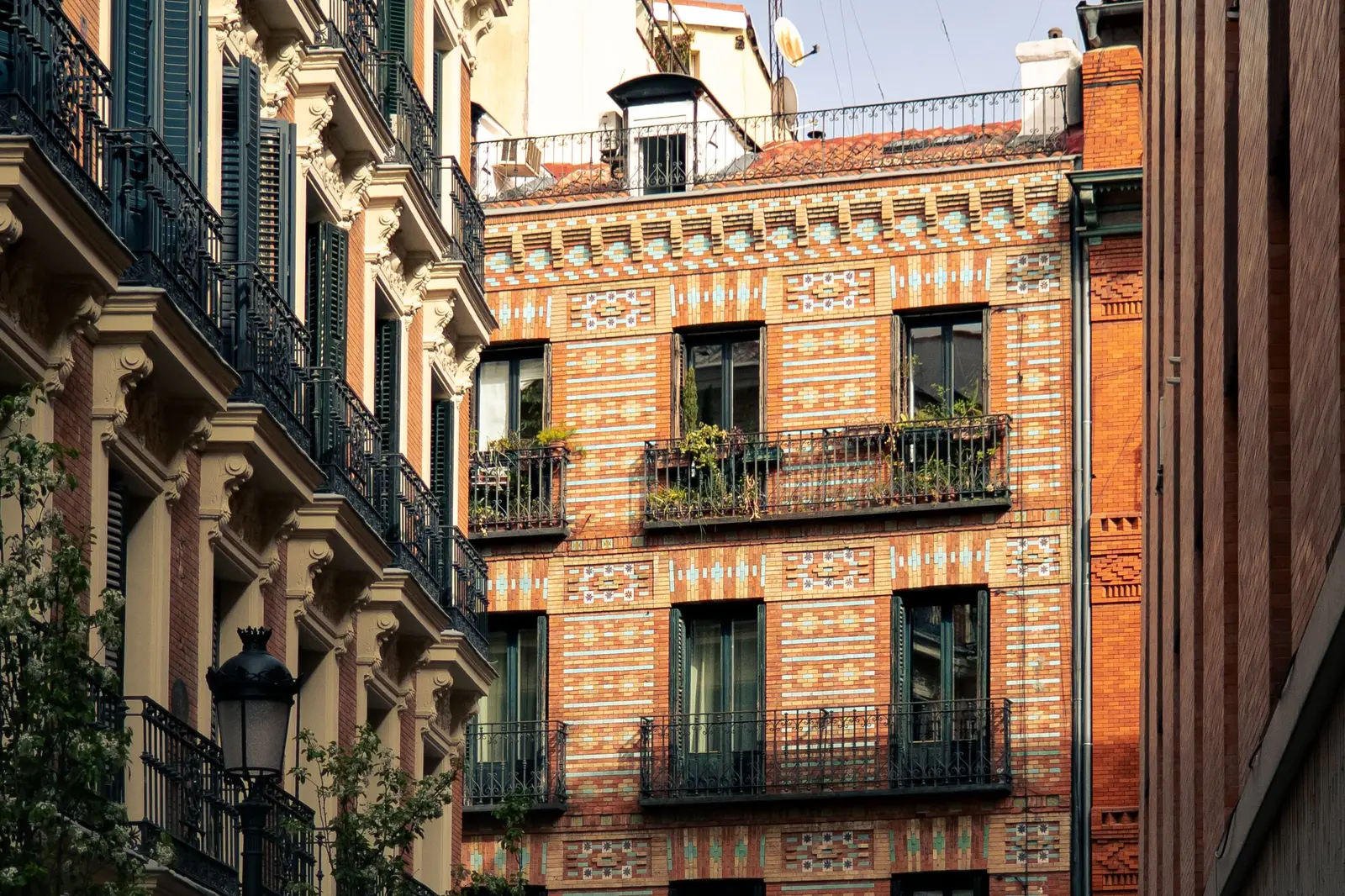
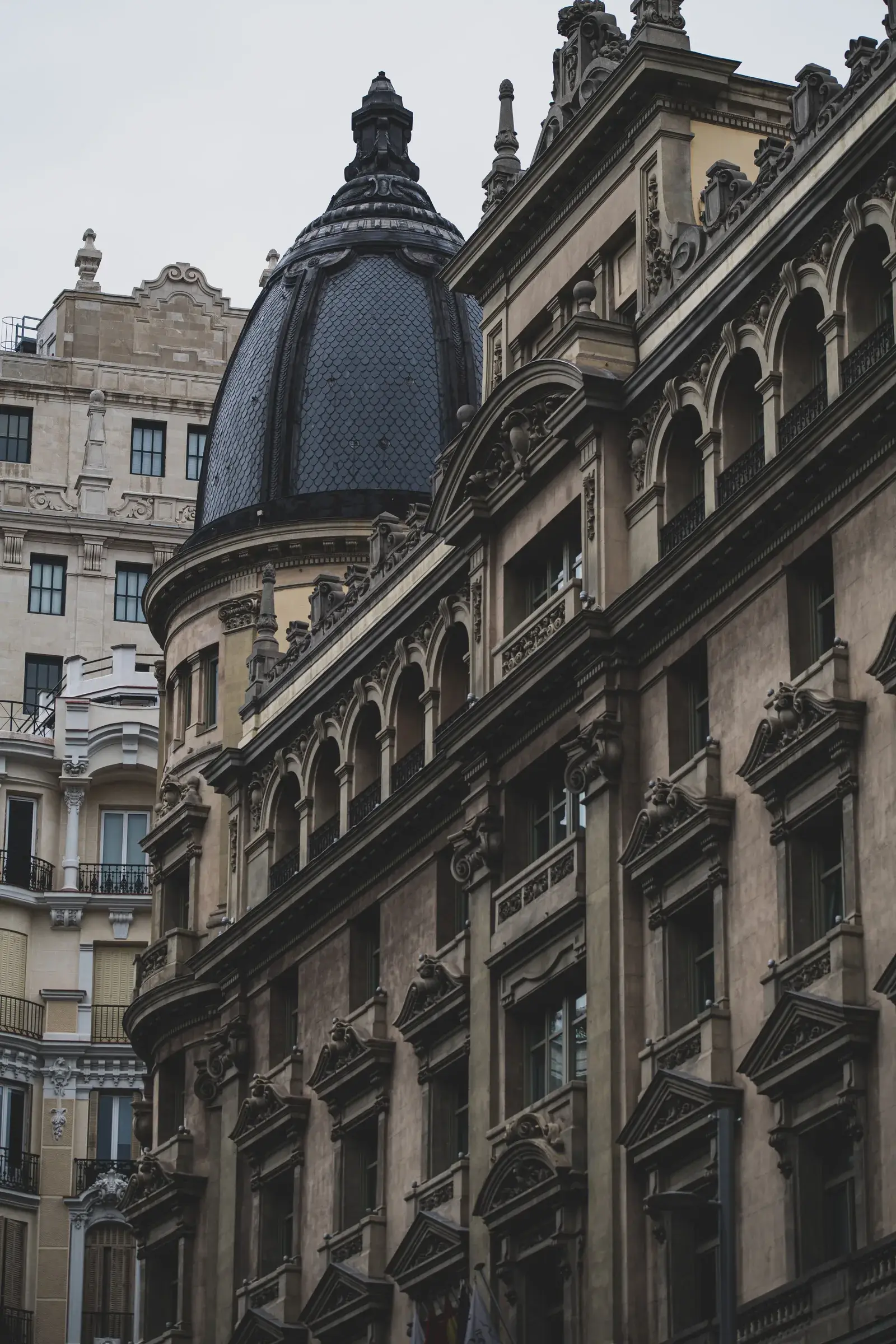
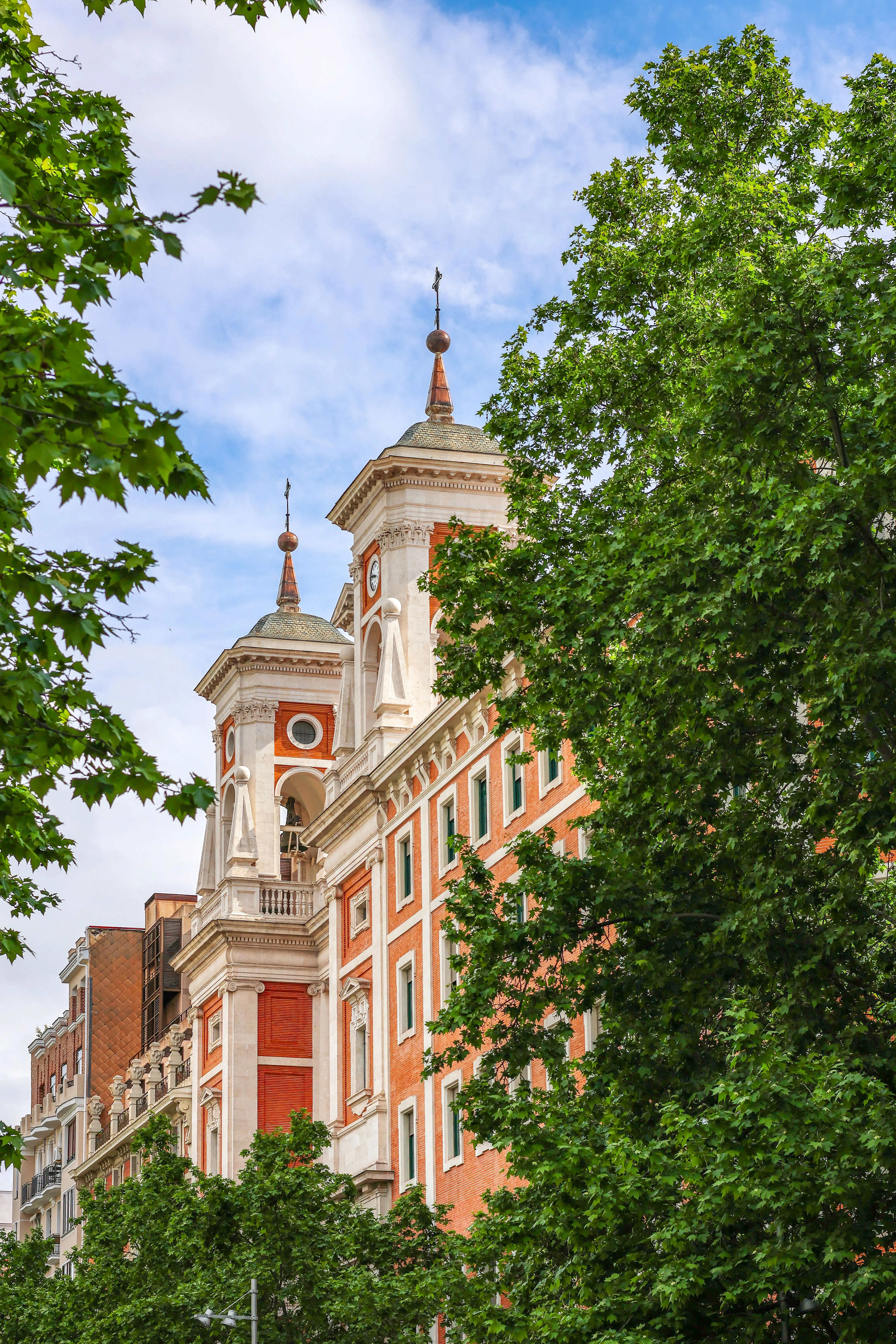
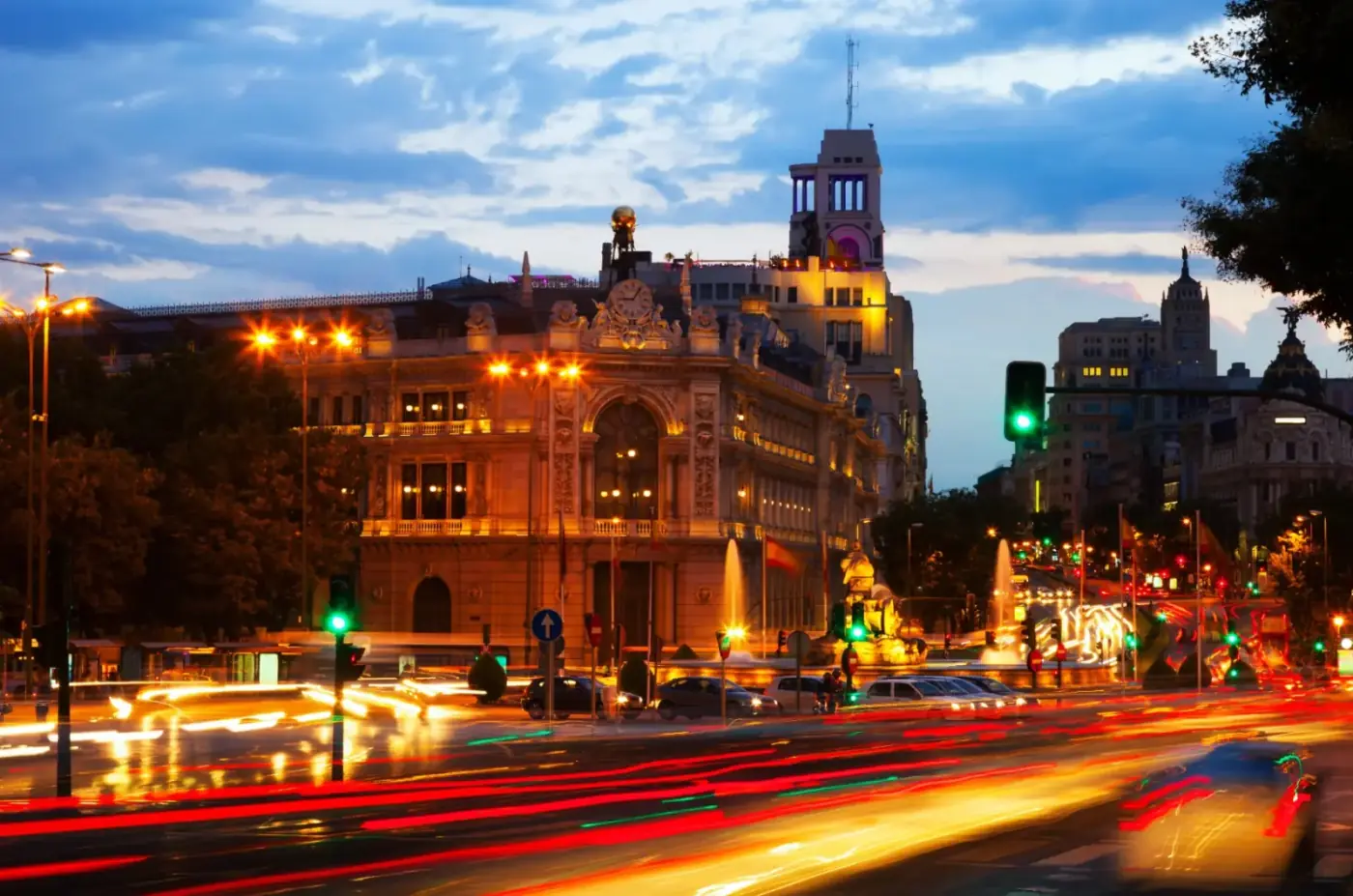
Chamberí is one of Madrid's most complete districts for buying to live in: it combines the architectural prestige of the 19th-century ensanche with genuine neighbourhood life — markets, schools, the Ponzano food scene — without the extreme formality of Salamanca. It splits into six sub-areas with their own character: Almagro, Trafalgar, Ríos Rosas, Gaztambide, Arapiles and Vallehermoso, each with its own price range and buyer profile.
Real prices in 2026
According to the latest Idealista data, the average price in Chamberí is around €8,900–9,000/sqm (March 2026), with a year-on-year rise of over 15% reported by several market sources. In the product we see moving in the district, a flat to refurbish in a classical building sits between €6,500 and €8,000/sqm; mid-range refurbished product between €8,000 and €10,000/sqm; and fully rehabilitated or new-build product with premium finishes exceeds €10,500/sqm, reaching €13,000–14,000/sqm in Almagro and Trafalgar's most sought-after streets.
The sub-areas that set the price
Almagro is the district's most expensive and stately end — streets like Zurbano, Almagro and Fernández de la Hoz, with grand buildings close to Salamanca and Castellana. Trafalgar, around Plaza de Olavide and the Ponzano axis, has revalued strongly in recent years thanks to its social and food scene. Ríos Rosas and Gaztambide offer more accessible product, well connected (Nuevos Ministerios, Moncloa) with a more family-residential profile. Vallehermoso, next to Canal, is the district's best value-for-money area.
Which layouts work best
The classic 90–140 sqm flat with two or three bedrooms and a gallery or balcony is the most sought-after and liquid format across the district. Penthouses with terraces in Almagro and Trafalgar are the scarcest product with the strongest appreciation. Studios and small flats near Moncloa and Argüelles (Gaztambide-Arapiles area) work well as rental investments, with strong demand from students and young professionals.
Recurring mistakes
Buying near Bravo Murillo or Santa Engracia without factoring in traffic noise, especially on lower or street-facing floors. Paying Almagro prices for a building that is really on the border with Gaztambide, without the same building quality or appreciation potential. Assuming every building in Chamberí has a lift: many classic buildings from the late 19th and early 20th century still don't, or only have a partial installation. And not checking the façade's condition: much of the district has heritage protection, which means specific levies and different timelines than a standard refurbishment.
What to look for to preserve value
A building with a protected façade in good condition (more stable long-term appreciation), a high floor with natural light, proximity to metro (Iglesia, Quevedo, Alonso Cano, Ríos Rosas) and to the Ponzano food strip if rental or resale liquidity matters. Two bathrooms and a layout allowing a home office or extra room carry more weight with buyers who no longer accept a full refurbishment on moving in.
Off-market and invisible product
As in Salamanca, a good share of the best product in Almagro and Trafalgar moves outside portals, especially in historic buildings with few neighbours and discreet sale decisions. As a personal property shopper we work that layer of the market: we keep direct contact with building managers and wealth managers in the area to get ahead of listings before they ever go public.